

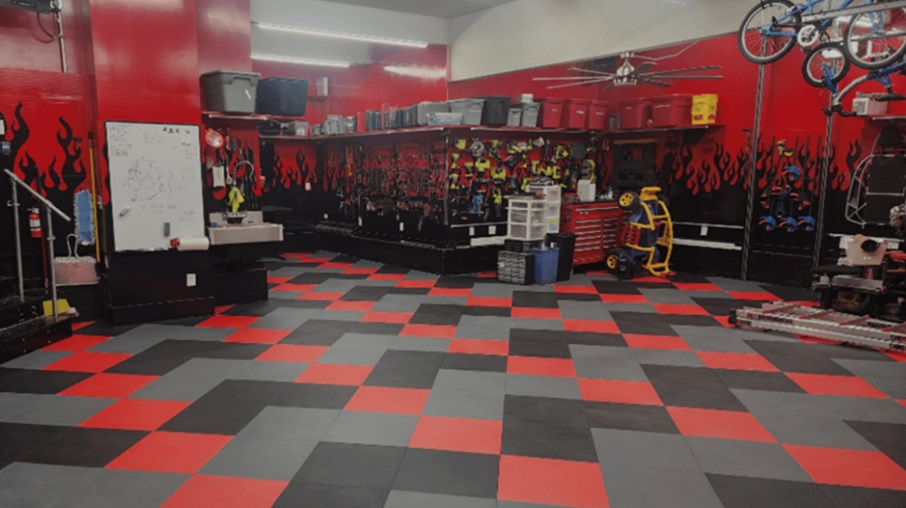
Selecting the right tiles for your garage is about more than aesthetics. Garage floors must withstand heavy loads, oil spills, fluctuating temperatures, and constant foot and vehicle traffic. Choosing the right tile type ensures durability, safety, and low maintenance. In this article, we’ll cover essential factors that can guide your selection while helping you make an informed, long-lasting investment. If you’re starting your search, understanding the benefits of garage floor tiles is key to identifying the best options for both function and appearance.
Consider Durability and Load-Bearing Capacity
Garage tiles need to handle substantial weight from vehicles and equipment. Materials such as PVC, polypropylene, or rubber tiles are popular for their resilience and ability to resist cracking under pressure. Look for interlocking tile systems that distribute weight evenly and won’t shift over time. Aside from physical strength, durability also means resisting stains, chemicals, and abrasions. Tiles should be designed to stand up to oil, grease, and other automotive fluids without degrading or discoloring. Industrial-grade options often offer the highest longevity and value.
Pay Attention to Installation and Maintenance Needs
Some garage tiles are designed for quick interlock installation, minimizing labor time. However, professional installation ensures proper leveling, alignment, and surface preparation, particularly in garages with drainage slopes or uneven concrete. This prevents loose tiles and long-term maintenance issues. Tiles should also be easy to clean and maintain. Choose options with textured, slip-resistant surfaces to improve safety while allowing simple hose-down or mop cleaning routines. Products designed with anti-microbial and mold-resistant properties offer added protection in damp or humid environments.
Style Should Complement Function
While function is critical, visual appeal shouldn’t be overlooked. Garage tiles come in a wide range of finishes, colors, and patterns—ideal for customizing the space to reflect a clean, organized, and even premium look. Consider checkerboard patterns or metallic finishes for a more professional feel. Before committing, compare the tile styles that are commonly used in garages and workshops. Many owners opt for finishes that mimic epoxy or concrete without the same installation challenges. Such tiles can blend aesthetic appeal with high functionality, especially when working with existing design elements.
Evaluate Environmental Conditions
Climate also plays a role in determining the best tile type. For areas with drastic temperature changes, it’s important to select tiles that expand and contract without warping or cracking. Garage tiles with built-in ventilation channels allow for airflow underneath the tile, preventing moisture buildup and damage to the subfloor. Also, take into account exposure to sunlight if your garage door remains open for extended periods. UV-resistant tiles will maintain color integrity longer and resist brittleness over time.
When to Use Professional Help
Given the variables involved—such as substrate conditions, moisture levels, and expected load—it’s best to rely on professional recommendations and installation. They can assess surface prep needs, recommend the right materials, and ensure a precise finish that holds up over time. Compared to basic solutions, working with experts results in higher performance and a longer life span for your garage flooring. For those considering a full upgrade, it’s worth exploring premium garage floor tiles that offer both visual impact and industry-tested endurance. Reviewing proper surface prep and ventilation options will further enhance results before applying any surface coverings or enhancements commonly used in garages.
Conclusion
The right garage tile can transform your space from a functional slab of concrete into a high-performance, stylish, and low-maintenance zone. Focus on durability, ease of maintenance, climate resistance, and professional installation for best results. A smart investment in quality flooring not only elevates the look but significantly improves performance, especially in garages that double as workspaces or storage areas.